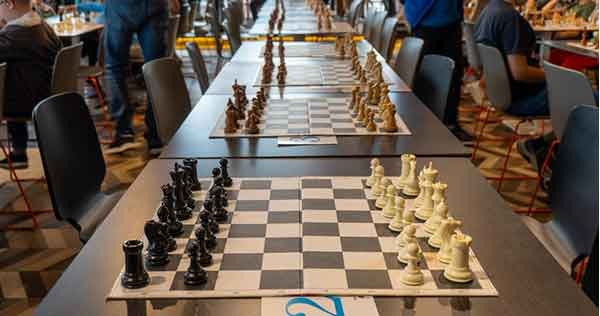
Chess is often seen as a slow, thoughtful game. A child sits quietly, studies the board, and takes time before making a move. That is true for many formats of chess, but there is another side of the game that feels faster, sharper, and very exciting to watch.
This is where rapid chess and blitz chess come in.
Fast chess events are full of energy. The clock is ticking, the players are thinking quickly, and every move matters. For children, these games can be more than entertainment. They can become powerful learning moments.
When kids watch or play fast chess games, they begin to understand how strong players make decisions under pressure. They see how patterns repeat, how confidence matters, and how one mistake does not mean the game is over. These are important lessons for chess and for life.
At Kaabil Kids, chess is taught as a thinking skill, not just a board game. Through structured online chess classes for kids, children can learn how to observe, calculate, focus, and make better decisions one move at a time.
What Rapid and Blitz Chess Mean in Simple Terms
Rapid and blitz are faster versions of chess.
In a regular chess game, players may get a lot of time to think. In rapid and blitz, they have much less time. That makes the game quicker, more intense, and often more exciting for children to follow.
Rapid chess gives players a limited but reasonable amount of time. They can still think, plan, and calculate, but they cannot spend too long on every move.
Blitz chess is even faster. Players may have only a few minutes for the whole game. This means they must make decisions quickly and trust their preparation, instincts, and pattern recognition.
For young learners, this difference is easy to understand:
Rapid chess teaches children to think clearly but not too slowly.
Blitz chess teaches children to stay calm when time is running out.
Both formats help children build important chess thinking skills. They learn that chess is not only about knowing the right move. It is also about choosing a good move at the right time.
This is why many parents today look for online chess coaching for kids that includes both learning and practical play. Children need to understand concepts, but they also need to practise using them in real games.
Why Fast Time Controls Teach Quick Thinking and Better Focus
Fast chess teaches children one of the most useful habits in the game: focus.
In rapid and blitz games, there is no time to daydream. A child must look at the board carefully, notice threats, protect pieces, and plan the next move. This kind of focus improves with practice.
Fast time controls also teach children to make decisions without panic. Many beginners either move too quickly or think for too long. Rapid and blitz chess help them find a better balance.
A child starts learning questions like:
Is my king safe?
Is any piece under attack?
Can I win material?
What is my opponent planning?
Do I need to move now or think more?
These small questions build stronger thinking habits.
This is especially helpful in decision making in chess. Children slowly learn that every move is a choice. Some choices are safe. Some are risky. Some look exciting but create problems later.
Through regular practice and guidance from an online chess tutor, kids can learn how to slow down mentally, even when the clock is moving fast. That is a big part of becoming a better chess player.
What Kids Learn About Pattern Recognition in Rapid Games
One of the biggest benefits of rapid chess is pattern recognition.
Strong chess players do not calculate everything from zero. They recognise familiar positions. They notice common tactics, threats, openings, and checkmate ideas because they have seen similar patterns many times before.
Rapid chess helps children build this skill naturally.
For example, a child may begin to recognise:
A fork with the knight
A pin on the queen or king
A back-rank weakness
An open file for the rook
A weak king after castling is delayed
A common checkmate pattern
At first, children may miss these ideas. After repeated practice, they start spotting them faster. This is the beauty of chess training.
Rapid games give children enough time to think, but not so much time that they become stuck. They must observe the board, connect ideas, and act with purpose.
This is where structured chess coaching online becomes useful. A coach can help children review their games and understand which patterns they missed. Without review, a child may keep making the same mistake. With guidance, every game becomes a lesson.
At Kaabil Kids, young learners are encouraged to understand why a move works, not just memorise it. That approach helps children build real chess thinking skills over time.
How Blitz Chess Helps Build Confidence, Decision-Making, and Recovery Skills
Blitz chess can look chaotic, but it teaches something very important: confidence under pressure.
In blitz, children do not have the luxury of overthinking every move. They must trust what they know. This can help them become more confident, especially when they have already learned basic tactics, openings, and endgame ideas.
Blitz chess also teaches recovery.
Every child makes mistakes in fast games. They may lose a piece, miss a tactic, or run low on time. The real lesson is how they respond. Do they give up? Do they panic? Do they keep looking for chances?
This is where blitz chess becomes valuable.
It teaches children that one bad move does not always end the game. They can still defend, create threats, simplify the position, or look for counterplay. That mindset is useful beyond the chessboard too.
Children also learn emotional control. Losing a fast game can feel frustrating. Winning can feel exciting. A good chess learning environment helps children handle both with maturity.
Parents should remember one thing: blitz chess is useful, but it should not be the only format a child plays. Too much blitz without proper learning can lead to rushed habits. The best approach is balance. Children should play slower games for deep learning, rapid games for practical thinking, and blitz games for speed and confidence.
A good online chess coaching for kids program can help parents find that balance.
How Parents Can Use Big Chess Events as Learning Moments at Home
Big chess events are wonderful learning opportunities for children. Parents do not need to be chess experts to make these moments useful.
The goal is not to explain every advanced move. The goal is to help the child observe and enjoy the game.
Parents can watch one rapid or blitz game with their child and ask simple questions:
Which side looks safer?
Which piece is most active?
Why did the player move so fast?
What changed after that mistake?
How did the player stay calm?
These questions help children think like players, not just viewers.
Parents can also pause a game at one position and ask the child to guess the next move. This makes watching chess interactive. It turns a professional game into a small learning exercise.
Big events also help children stay inspired. When kids see top players competing in rapid and blitz chess, the game feels alive. They begin to understand that chess is not just about study. It is also about creativity, courage, pressure, and personality.
For a child already taking online chess classes for kids, watching big events can connect classroom learning with real-world chess. A tactic learned in class may suddenly appear in a grandmaster game. An opening idea may become easier to understand. A time-pressure moment may show why focus matters.
That connection can make children more excited to learn.
Conclusion
Rapid and blitz chess events are exciting to watch, but their real value is deeper. They teach children how to think quickly, stay focused, recognise patterns, make decisions, and recover from mistakes.
Rapid chess helps children balance calculation with speed. Blitz chess helps them build confidence and stay calm under pressure. Together, these formats make chess more active, practical, and enjoyable for young learners.
For parents, fast chess games can become simple learning moments at home. A single game can teach focus. One missed tactic can start a useful conversation. One brilliant move can inspire a child to learn more.
With structured guidance from our expert team at Kaabil Kids, children can take that excitement and turn it into real improvement. Through online chess classes for kids, expert-led practice, and age-friendly coaching, young learners can build strong chess habits step by step.
Chess is not only about winning the next game. It is about helping children become better thinkers. Rapid and blitz chess simply make that journey faster, sharper, and a lot more fun.
FAQs
Q1. What is rapid chess?
Rapid chess is a faster format of chess where players get limited time to complete the game. It is quicker than classical chess but still gives enough time for planning, calculation, and thoughtful moves.
Q2. What is blitz chess?
Blitz chess is a very fast chess format where players have only a few minutes for the whole game. It teaches quick thinking, confidence, time management, and decision-making under pressure.
Q3. Are rapid chess and blitz chess good for kids?
Yes, rapid and blitz chess can be good for kids when balanced with proper learning. Rapid chess helps children think faster, while blitz chess builds confidence, pattern recognition, and recovery skills.
Q4. Can fast chess games improve decision making in chess?
Fast chess games can improve decision making in chess because children learn to assess positions quickly, notice threats, choose practical moves, and manage time better during play.
Q5. Should beginners play blitz chess?
Beginners can play blitz chess for fun, but they should not depend only on blitz. Children need slower games, coaching, and review to build strong fundamentals before playing too many very fast games.
Q6. How do online chess classes for kids help with rapid and blitz chess?
Online chess classes for kids help children understand openings, tactics, strategy, time management, and game review. These skills make rapid and blitz games more useful instead of just rushed.
Q7. Why choose Kaabil Kids for online chess coaching for kids?
Kaabil Kids offers structured chess learning for children through guided lessons, practice, and child-friendly coaching. It helps kids build focus, confidence, decision-making, and stronger chess thinking skills.
Q8. Is an online chess tutor useful for fast chess improvement?
Yes, an online chess tutor can help children review mistakes, understand patterns, improve time control, and build better habits for rapid and blitz chess games.