Table of Contents
- Why New Year is Perfect for a New Skill
- Mental Benefits of Playing Chess
- Mood and Emotional Benefits
- Chess as a Healthy Routine
- Age-wise What Kids Learn
- How Parents Can Support
- Tip: Getting Started with Chess
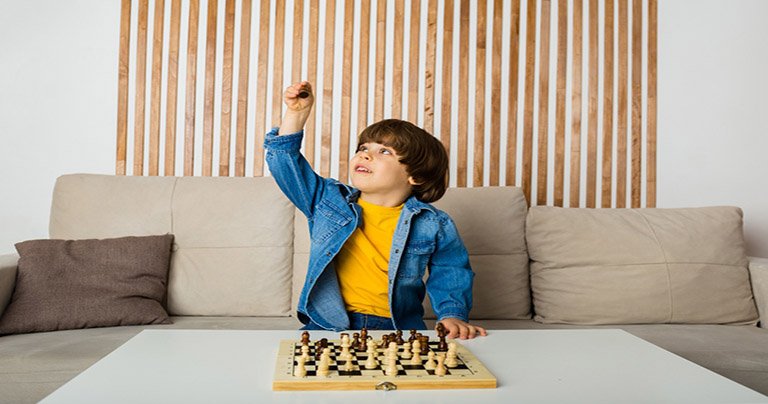
Chess looks like a quiet game, but it trains a very active brain. Kids learn to plan, pause, and think through consequences. They also learn to lose gracefully and try again, which is a rare and valuable skill.
Today, families have flexible learning options. You can choose chess classes online that match your child’s level, time, and interest. Some parents prefer a weekly program, others prefer shorter daily practice with guidance. The best part is that online chess classes make it easy to start without needing to find a local club immediately.
This blog is a beginner-friendly chess guide for parents, covering benefits, routines, and a simple way to begin.
Why New Year is Perfect for a New Skill
January works because motivation is naturally high. Kids often enjoy setting goals, earning small wins, and trying something that feels fresh. Chess supports this mindset because progress is visible.
A child can learn chess basics in a week, solve better puzzles in two weeks, and start spotting simple checkmates soon after. This quick feedback makes chess a strong “resolution-friendly” skill.
New year is also a time when routines are being rebuilt after holidays. Adding a 20 to 30 minute chess routine is easier now than it might be later in the school year.
Mental Benefits of Playing Chess
Chess strengthens core thinking skills that children use in academics and daily decisions. The benefits show up gradually, but they are real and measurable.
Better focus and attention span
Chess trains children to sit with a problem and work through it. Even short games teach them to concentrate for longer than they usually would.
Stronger memory and pattern recognition
Kids begin to remember common ideas like forks, pins, checkmate patterns, and opening principles. This is part of why chess improves faster with practice than many parents expect.
Planning and decision-making
Chess forces children to ask one key question repeatedly: “If I do this, what happens next?” That habit is the base of strategic thinking.
Problem-solving under pressure
Timed games and competitive moments teach kids to stay calm while thinking. Good online chess coaching introduces time pressure slowly so children build confidence, not anxiety.
Logical thinking with creativity
Chess is not only logic. Kids also learn creativity, especially when they explore attacks, sacrifices, and clever tactics.
If you want a structured path for your child, online chess classes can help build these skills step by step, instead of learning randomly through apps.
Mood and Emotional Benefits
Parents often notice emotional changes when children learn chess consistently.
Confidence from small wins
In chess, progress is obvious. A child who struggled with checkmates can suddenly solve them. That builds confidence fast.
Patience and self-control
Chess teaches children to pause. This is a big emotional skill, especially for younger kids who act quickly without thinking.
Resilience after losses
Losing is part of chess. Over time, kids learn that losing is feedback, not failure. This mindset helps in school tests and social situations too.
Calm engagement
Chess is stimulating but not chaotic. It keeps children engaged without the constant dopamine spikes of fast entertainment.
A well-run online chess class also helps children feel supported because they are learning with structure, goals, and coaching feedback.
Chess as a Healthy Routine
Many parents struggle with one big question: what is a healthy daily activity that is both fun and productive?
Chess can become that activity because it fits into small time blocks and has a clear learning path. It can be done as:
- 10 minutes of puzzles
- 10 minutes of learning
- 10 minutes of one practice game
That is a full routine in 30 minutes. Over a month, that routine becomes a habit, which is exactly what most new year resolutions are trying to achieve.
Families also like that chess classes online can be scheduled around school, tuition, and sports, without long travel time.
Age-wise What Kids Learn
Every age learns chess differently. The goal is not to push children too fast. The goal is to build interest and solid foundations.
Ages 4 to 6
- Learning the names of chess pieces
- Understanding how each piece moves
- Basic check and checkmate ideas
- Simple puzzles like “win the queen” or “mate in one”
At this stage, chess basics should be playful and visual. Short lessons work best.
Ages 7 to 9
- Faster recall of piece moves and rules
- Basic opening principles
- Tactical ideas like forks, pins, skewers
- Learning to trade pieces and simplify
This age group does very well in a structured online chess class because they are ready for patterns and short strategy lessons.
Ages 10 to 12
- Deeper tactics and planning
- Middle-game strategy like outposts and pawn structure basics
- Endgame fundamentals like king activity and pawn promotion
- Learning to analyse games and correct mistakes
Kids here benefit from online chess coaching that includes game review, not only puzzles.
Ages 13 and above
- More serious opening study
- Tournament preparation and time management
- Stronger analysis and calculation skills
- Competitive mindset and performance improvement
This is where consistent chess classes online can support rating goals and tournament readiness.
How Parents Can Support
Parents do not need to be chess experts to support a child. Small, consistent actions make a big difference.
- Keep goals simple: “Solve 5 puzzles a day” works better than “Become a champion.”
- Praise effort, not only wins. Celebrate good thinking and improvement.
- Encourage game review. Ask: “What was your best move?” and “Where did it go wrong?”
- Create a routine corner at home for practice.
- Choose the right learning level. If the class is too hard, kids lose interest quickly.
Many parents choose our structured chess programs at Kaabil Kids because it reduces confusion and gives children a guided learning path with progress tracking. The right coach can also explain ideas in a kid-friendly way, which matters more than parents realise.
Tip: Getting Started with Chess
If your child is new, start with a simple, clean setup.
Step 1: Learn the chess pieces and moves
Focus on the names and movement of all chess pieces. Kids should learn one piece at a time and practise with mini games.
Step 2: Learn the basic rules
Teach check, checkmate, stalemate, and castling. This builds the foundation of chess basics.
Step 3: Start puzzles early
Puzzles build pattern recognition fast. Keep it short and consistent.
Step 4: Play short games
Use 10-minute games so kids stay focused without getting tired.
Step 5: Join a structured program
Once your child understands movement and rules, a structured online chess class or online chess coaching helps them progress faster with feedback.
If you are looking for a guided option, we at Kaabil Kids offer structured learning through online chess classes designed for kids, which can be a good way to turn interest into a real skill.
Conclusion
Chess is one of the smartest, calmest ways to start the new year for a child. It strengthens focus, planning, and problem-solving, while also supporting patience and emotional balance. It fits neatly into daily life and works well as a long-term habit, which makes it a strong part of meaningful New Year’s resolutions.
Starting is simple. Learn the chess pieces, practise the chess basics, solve a few puzzles daily, and build routine through chess classes online or structured online chess coaching. A well-designed online chess class can keep children consistent, motivated, and steadily improving.
FAQ’s
1) What age is best to start chess for kids?
Many kids start learning chess basics around age 5 or 6, but it depends on attention span. The key is a simple and playful start.
2) Are online chess classes effective for beginners?
Yes, online chess classes can be effective when they are level-based and structured. Beginners do best when they get clear guidance and feedback.
3) What should my child learn first in chess?
Start with chess pieces, how they move, and basic rules like check and checkmate. That is the foundation of a strong chess guide for beginners.
4) How often should my child practise chess?
A good routine is 20 to 30 minutes a day, 4 to 5 days a week. Consistency matters more than long practice sessions.
5) What are the mental benefits of chess for kids?
Chess improves focus, memory, planning, decision-making, and problem-solving. These skills support academic learning too.
6) Can chess help with mood and confidence?
Yes. Chess builds confidence through progress and teaches emotional resilience through wins, losses, and game review.
7) How do chess classes online help parents?
Chess classes online save travel time, offer structured levels, and make scheduling easier. Parents also get a clearer view of progress.
8) What is Kaabil Kids and how does it help?
Kaabil Kids provides structured online chess coaching and online chess classes for kids, helping them build skills through guided lessons, practice, and feedback.