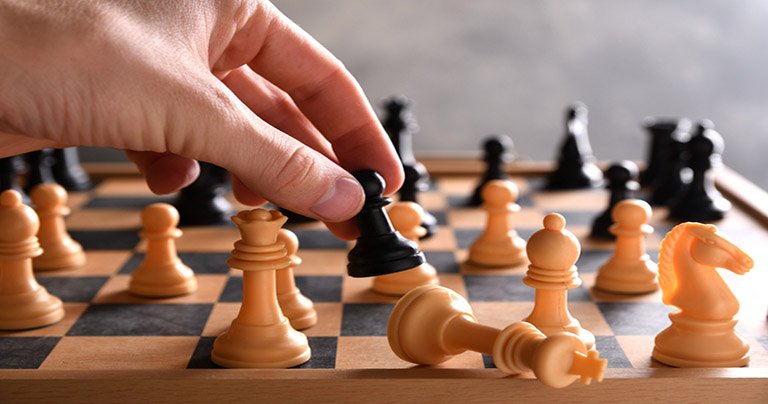
Hanging pieces are undefended chessmen vulnerable to capture. To avoid them, always check your pieces’ safety before moving, look for potential attacks on your pieces, and ensure all your pieces are either defended or pose a threat to the opponent, forcing them to think twice before capturing.
Table of Contents
- What is a Hanging Piece in Chess?
- How to Identify Potentially Hanging Pieces?
- Practical Strategies to Avoid Leaving Pieces Hanging
- Common Scenarios Leading to Hanging Pieces
- Advanced Techniques for Piece Coordination
What is a Hanging Piece in Chess?
In chess, a “hanging piece” refers to a chessman (pawn, knight, bishop, rook, queen, or king) that is undefended and vulnerable to capture by the opponent. A piece is considered hanging if it is not protected by any friendly piece and is under direct attack, or if it could be attacked in the next move. Identifying and avoiding hanging pieces is fundamental to sound chess strategy.
Example: Imagine a scenario where a white knight sits on the square d5, with no other white pieces nearby. If a black pawn can move to c6 or e6 and attack the knight, or if a black rook already has the d-file under control, the knight on d5 is a hanging piece. If White doesn’t address this, Black can capture the knight, gaining a material advantage.
How to Identify Potentially Hanging Pieces?
Identifying potentially hanging pieces requires careful board scanning and a keen eye for tactical vulnerabilities. Here’s a step-by-step approach:
- Regularly Scan the Board: At the end of each move, take a moment to survey the entire board. Don’t just focus on the immediate vicinity of your last move.
- Check for Unprotected Pieces: Identify all your pieces that are not currently defended by other friendly pieces. This includes pieces that appear safe but could become targets if the board configuration changes.
- Anticipate Opponent’s Moves: Consider what your opponent might play on their next turn. Could they move a piece to attack one of your undefended pieces? Think several moves ahead, if possible.
- Evaluate Potential Threats: Look for pieces that are currently out of range but could pose a threat with a single move. Pay attention to pieces like queens, rooks, and bishops that can control long diagonals and files.
- Consider Pawn Structures: Pawns can both defend and attack. Analyze how your pawn structure affects the safety of your pieces. Sometimes, advancing a pawn can inadvertently leave a piece exposed.
Example: Suppose you have a bishop on c4. It appears safe because it’s attacking a black knight on f7. However, if Black can move a pawn to d5, attacking your bishop, and your bishop has no immediate squares to retreat to, nor is it defended, your bishop is potentially hanging. Anticipating this threat allows you to move your bishop to a safer square beforehand.
Practical Strategies to Avoid Leaving Pieces Hanging
Avoiding hanging pieces involves adopting a proactive mindset and applying several practical strategies during your games:
- Develop Pieces to Safe Squares: When developing your pieces in the opening, aim for squares where they are less vulnerable to attack. Central squares that are defended by pawns are often good choices.
- Maintain Piece Coordination: Ensure that your pieces work together to defend one another. This is especially important in the middlegame when tactical opportunities arise more frequently.
- Calculate Forcing Moves: Before making a move, calculate the consequences. If your move involves an attack, ensure that your opponent cannot exploit it by capturing one of your undefended pieces.
- Control Key Squares and Files: By controlling important areas of the board, you can restrict your opponent’s mobility and reduce the chances of them creating threats against your undefended pieces.
- Exchange Wisely: Before trading pieces, consider the implications. Will the exchange leave one of your pieces undefended? Sometimes, avoiding a seemingly advantageous trade can be the best course of action.
Example: Don’t move your queen to a square where it can be attacked by multiple pieces, especially if those pieces are defended. If you must place your queen in a vulnerable position, ensure that it is either protected or poses a significant threat that your opponent must address immediately.
Common Scenarios Leading to Hanging Pieces
Certain situations in chess games are more prone to creating hanging pieces. Recognizing these scenarios can help you anticipate and avoid potential pitfalls:
- Overextension in the Opening: Moving too many pawns early in the game without developing your pieces can leave your pawns and subsequently your pieces undefended.
- Neglecting King Safety: Focusing solely on attacking without securing your king’s position can lead to tactical vulnerabilities, including hanging pieces.
- Poor Piece Coordination: When your pieces are scattered and not working together, it’s easier for your opponent to find undefended targets.
- Forced Exchanges: Sometimes, a series of forced exchanges can lead to a situation where you must move a piece to an undefended square.
- Time Trouble: When under time pressure, it’s easier to overlook undefended pieces, leading to costly mistakes.
Example: If you push your h-pawn too early without good reason, it might become isolated and weak. This can create a weakness that Black can exploit, potentially leading to your pieces becoming hanging and under attack.
Advanced Techniques for Piece Coordination
Elevating your chess skills involves mastering advanced techniques for piece coordination, further reducing the risk of hanging pieces. This includes understanding concepts such as prophylaxis, overprotection, and tactical themes.
- Prophylaxis: This involves anticipating your opponent’s plans and taking measures to prevent them. By proactively addressing potential threats, you can avoid creating hanging pieces.
- Overprotection: Instead of just defending a piece once, defend it multiple times. This makes it more difficult for your opponent to attack and capture the piece, reducing its vulnerability.
- Tactical Themes: Familiarize yourself with common tactical motifs such as pins, forks, skewers, and discovered attacks. Recognizing these themes can help you identify potential hanging pieces and exploit your opponent’s mistakes.
- Improving Piece Activity: Before worrying about hanging pieces, think about piece activity. Sometimes a hanging piece is fine if it is part of an attack or has a purpose.
Example: You notice your opponent is trying to set up a pin against your knight. Instead of just moving the knight, you can add another defender to the square where the knight is, making it difficult for your opponent to exploit the pin.
Frequently Asked Questions
Question 1: What’s the best way to practice identifying hanging pieces?
Practice tactical puzzles and analyze your own games. Pay special attention to positions where pieces are undefended and look for potential attacks. Playing against stronger opponents can also help you improve your awareness.
Question 2: How important is it to avoid hanging pieces in the opening?
It is very important. While tactical opportunities are less common in the opening, developing pieces to safe squares and coordinating them is essential for a solid foundation. Avoiding early hanging pieces sets the stage for a more stable middlegame.
Question 3: What if sacrificing a piece leads to a better position even though that piece is hanging?
Chess is complex. Hanging a piece is bad, but if it is part of a longer, calculated sacrifice, it can be acceptable.
Conclusion
Avoiding hanging pieces is a fundamental aspect of chess strategy. By regularly scanning the board, anticipating threats, developing pieces to safe squares, and maintaining piece coordination, you can significantly reduce your vulnerability to tactical oversights. Mastering these concepts will not only improve your tactical acuity but also enhance your overall understanding of the game, leading to greater success on the chessboard. It is always better to think defensively first and offensively second.
Ready to take the next step? Sign up for a free consultation at Kaabil Kids for online chess coaching. We’ll assess your current chess skills and create a personalized training plan to help you improve faster and reach your chess goals.